Kids orthodontic providers
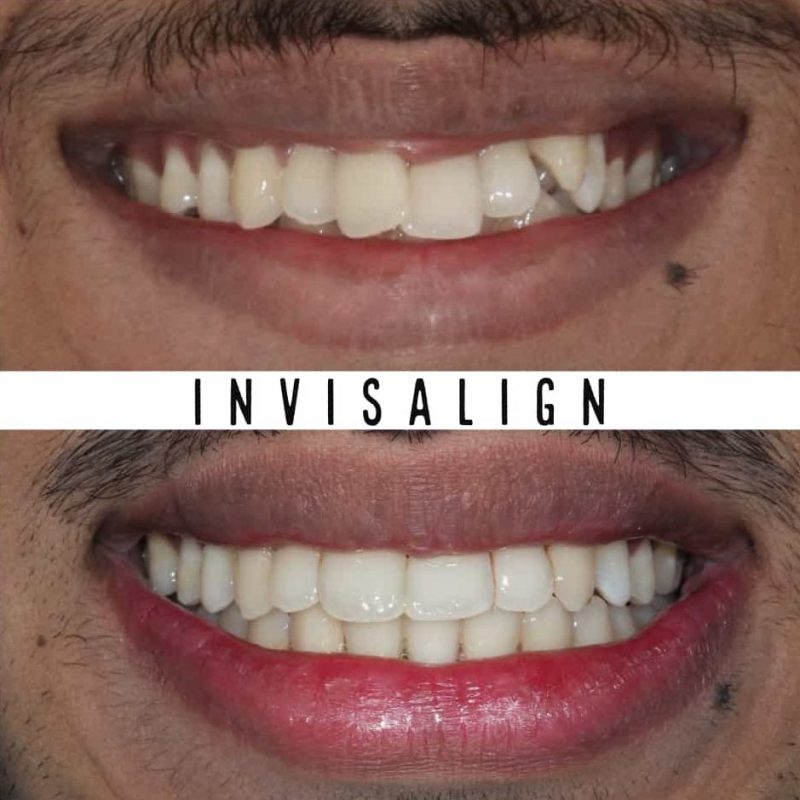
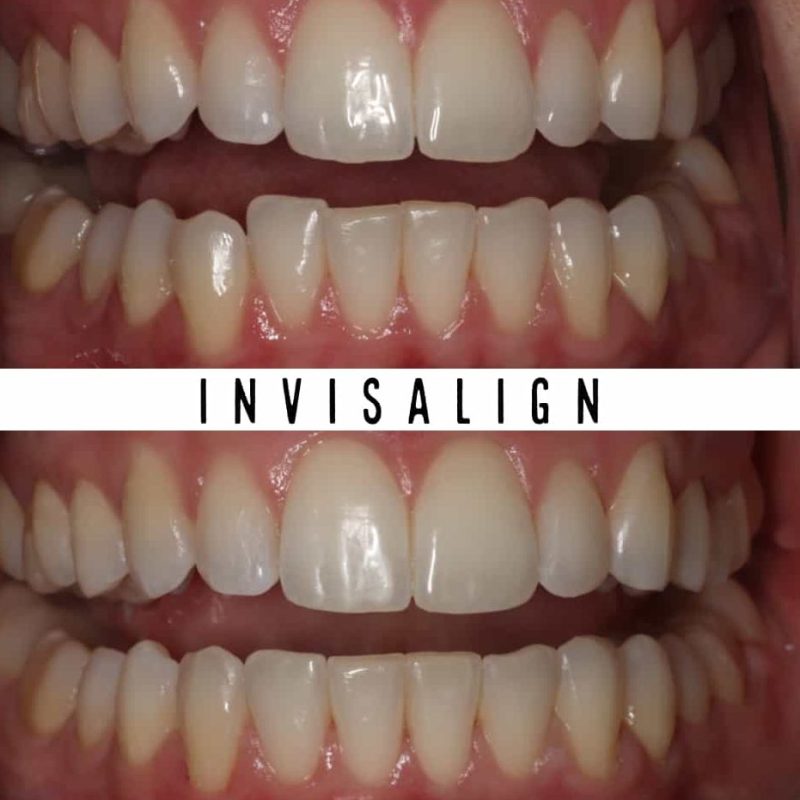
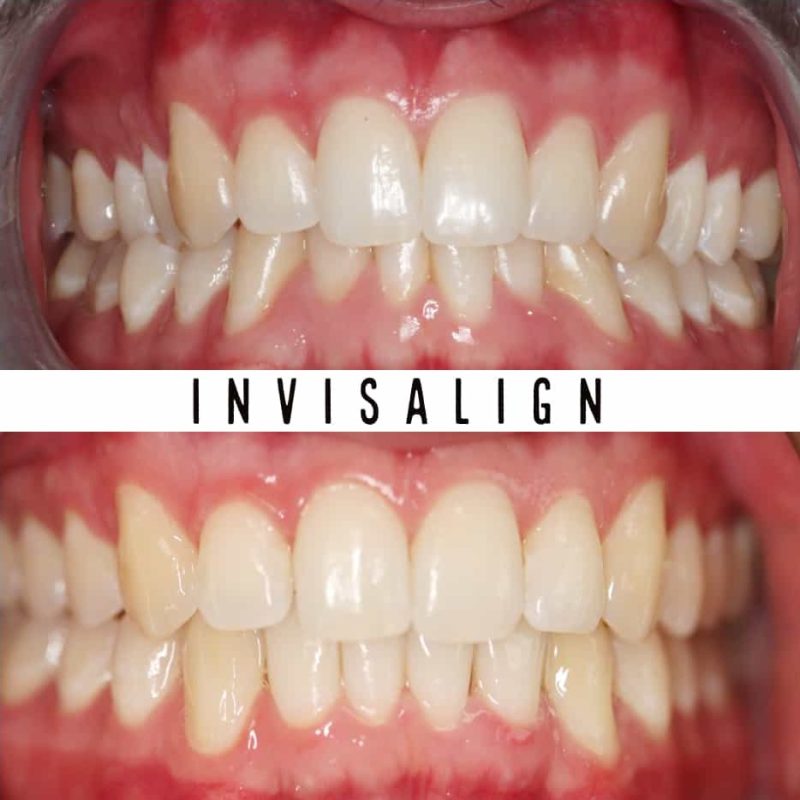
Orthodontic treatment such as braces is traditionally performed once most or all adult teeth have erupted. In some cases, however, early assessment during childhood can help identify potential issues. At The Smile Designer Dental Studio, we are happy to provide an orthodontic assessment for your child and guide you through the most suitable options for their smile — our practice focuses on clear aligner treatments, and we can discuss whether this approach may be appropriate based on your child’s age, development and orthodontic needs. Sometimes, the best approach is simply to monitor your child’s development and wait until they are a little older before starting treatment.
Functional appliances commonly used
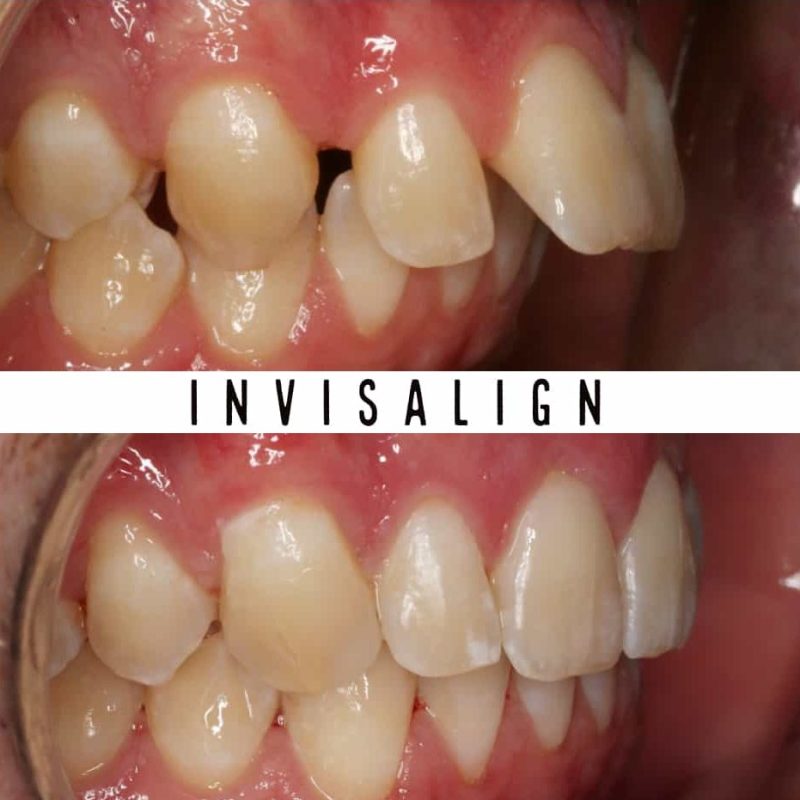
Some growing kids require early intervention orthodontics during their growing years to treat severe Class II or pseudo Class III cases — kids with an increased or reversed overjet, bucked teeth, or a small lower jaw. Utilising growth modification techniques on certain cases, we can help reduce or alleviate the need for future dental extractions or jaw surgery. All early intervention orthodontic treatment will require future orthodontics once all the adult teeth have come through.
FAQ’s about kids orthodontics
Do I need a dental check up before starting orthodontics?+
Will the treatment hurt?+
What food can my child eat?+
Will teeth need to be removed?+
How long does Phase 1 orthodontics take?+
What are the benefits of orthodontics?+
What are signs that early intervention may be needed?+
What is Phase 1 and Phase 2 treatment?+
Can kids play sports during treatment?+
Will braces interfere with playing musical instruments?+
What is dental overcrowding and how can it be treated?+
Where is your dental clinic located?+
Do you offer children’s orthodontics near me?+
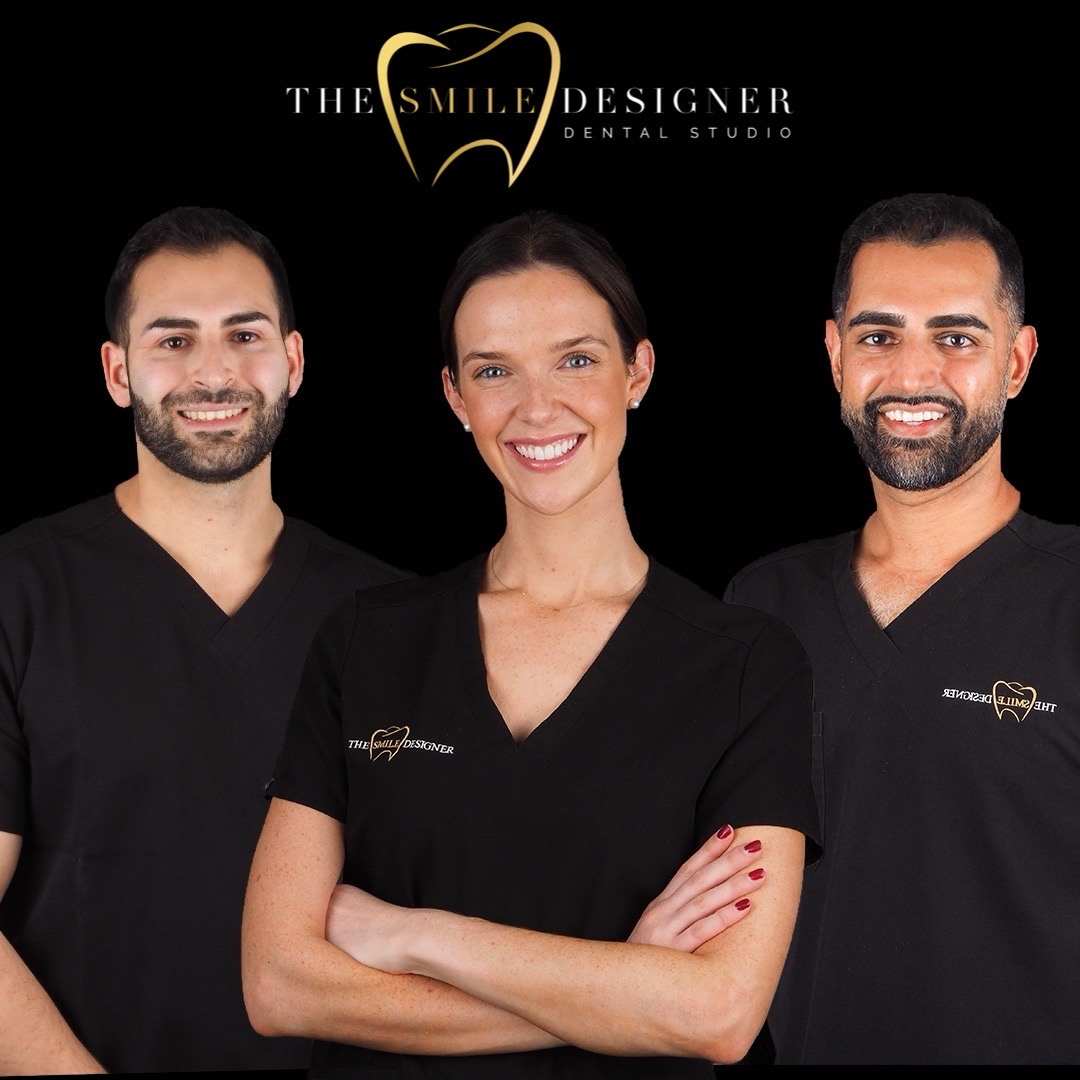
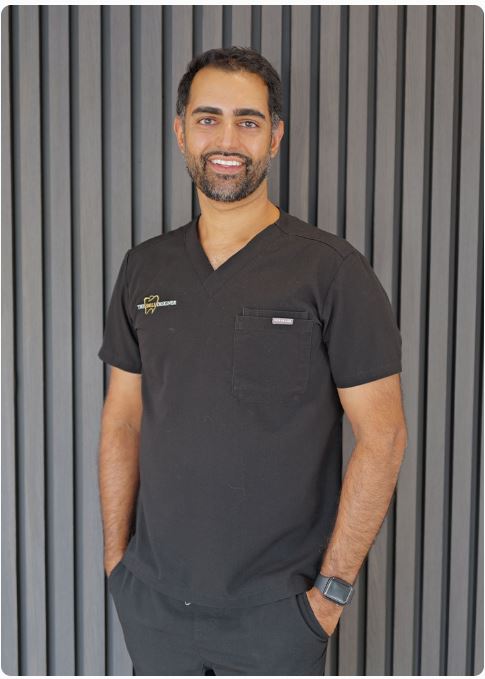
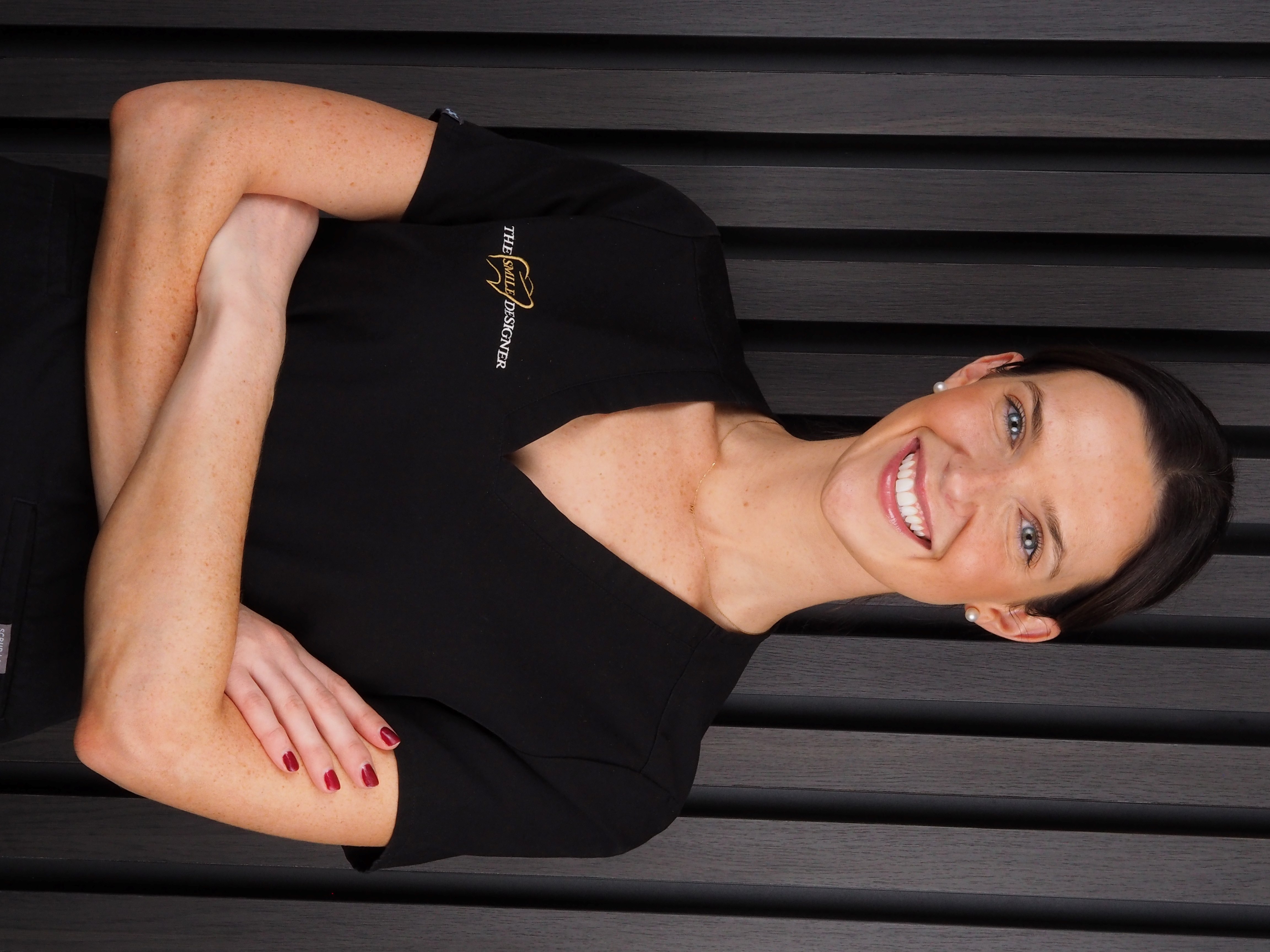
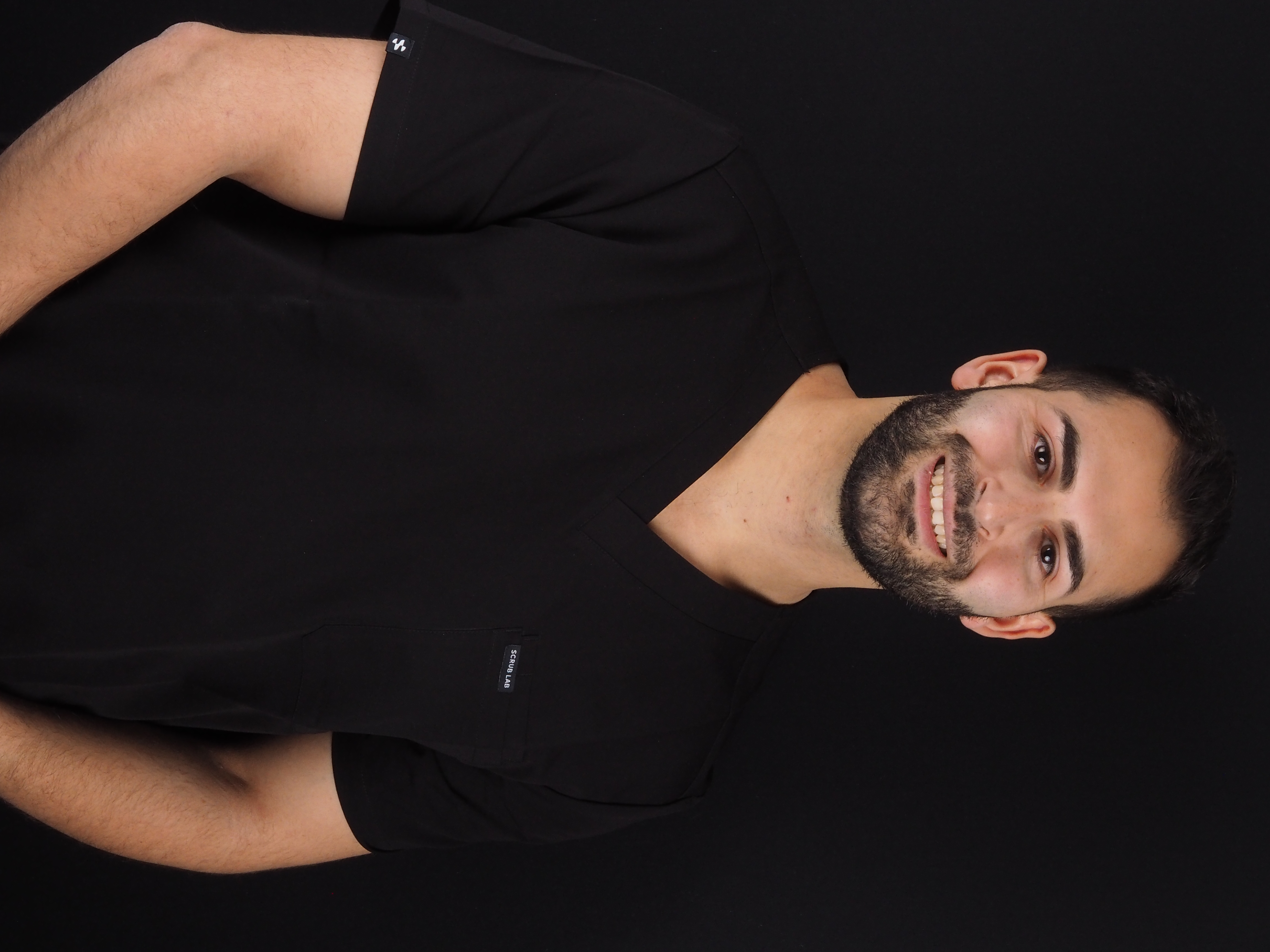
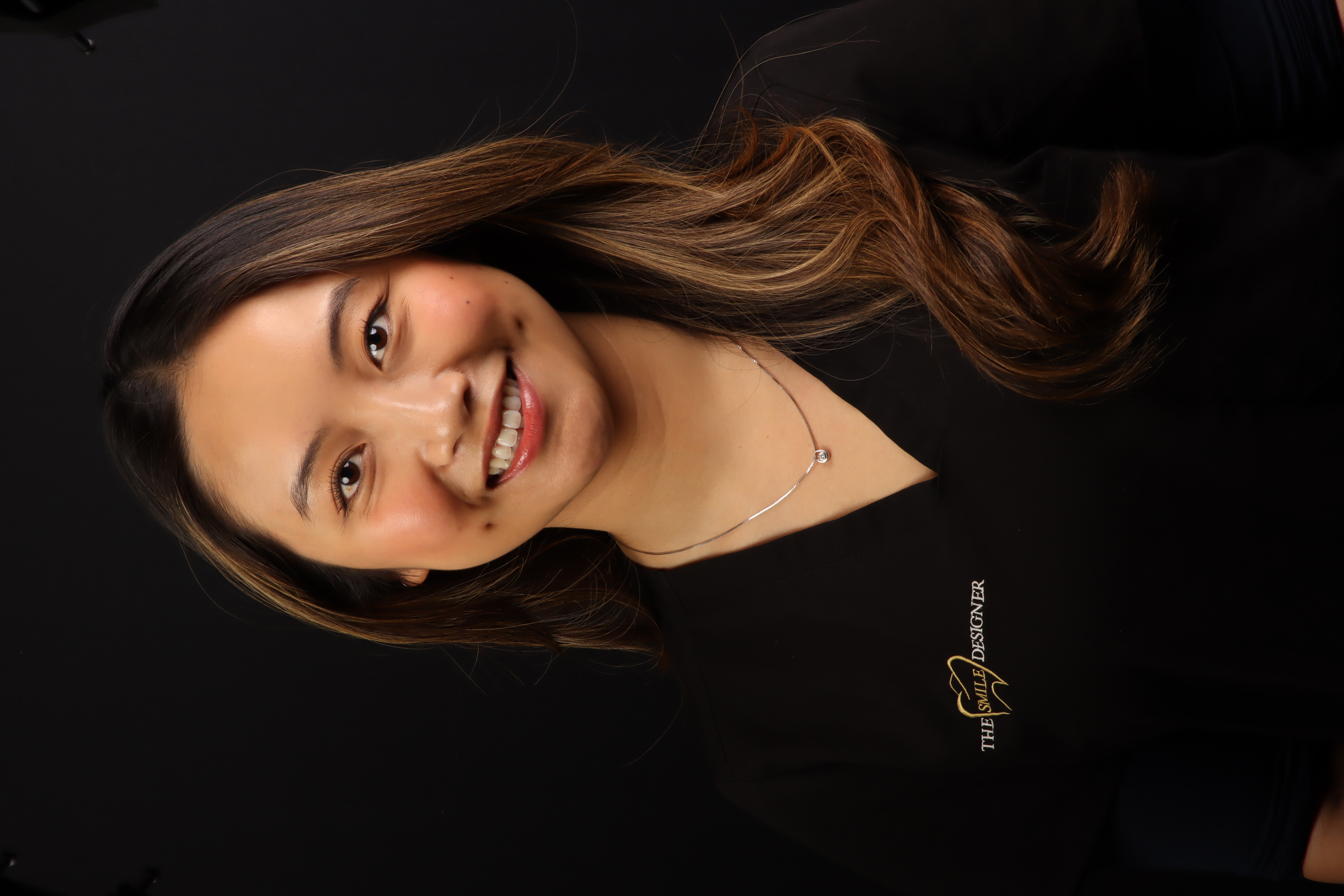
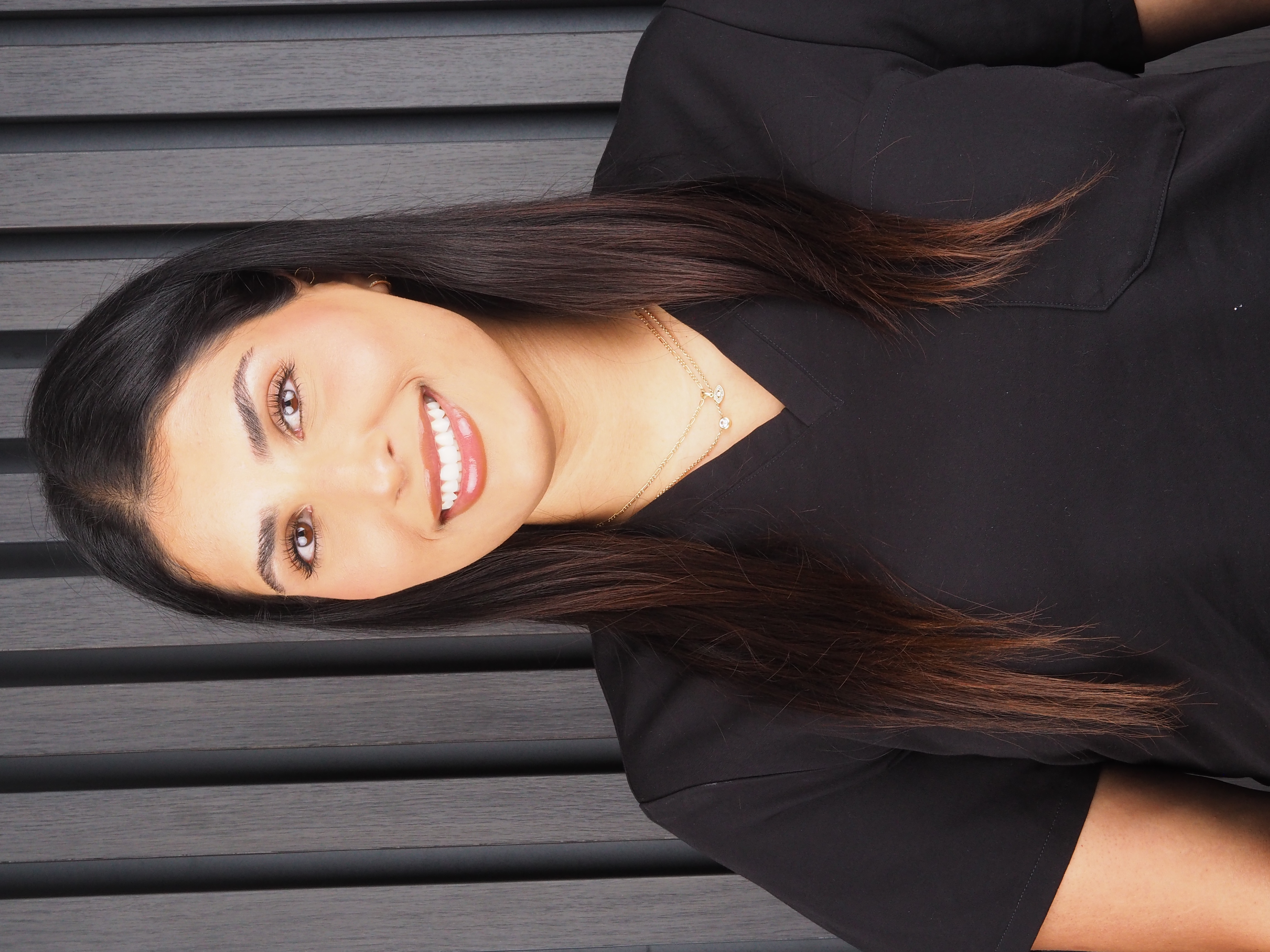
The clinicians behind your smile
Meet the team →Dedicated professionals for your smile — gentle, highly qualified clinicians in a studio designed to feel comfortable and welcoming.
From the journal
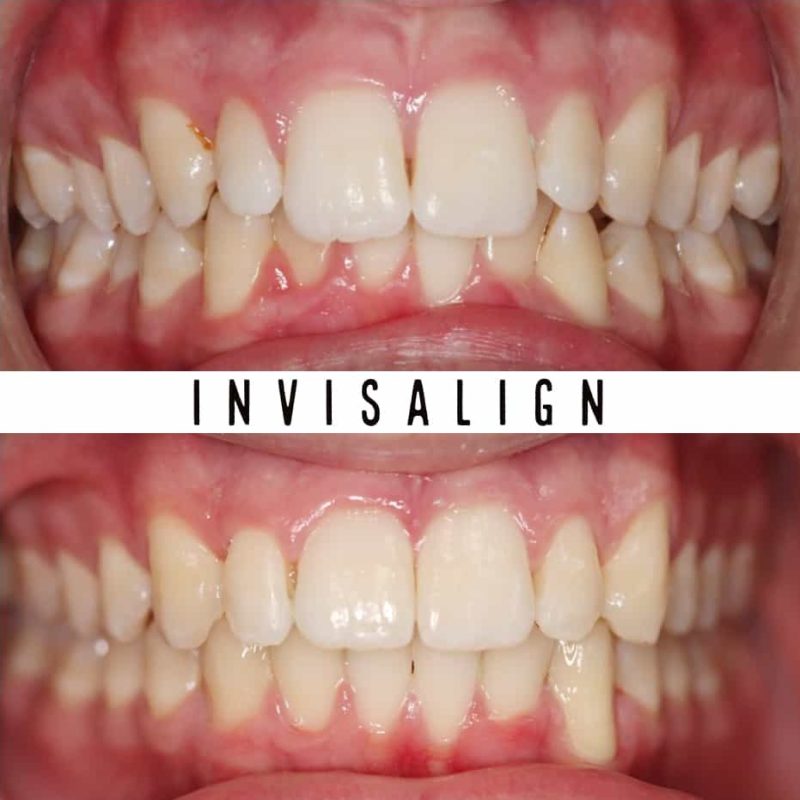
Honest advice from our chair to yours — guides written by our own clinicians.
All articles →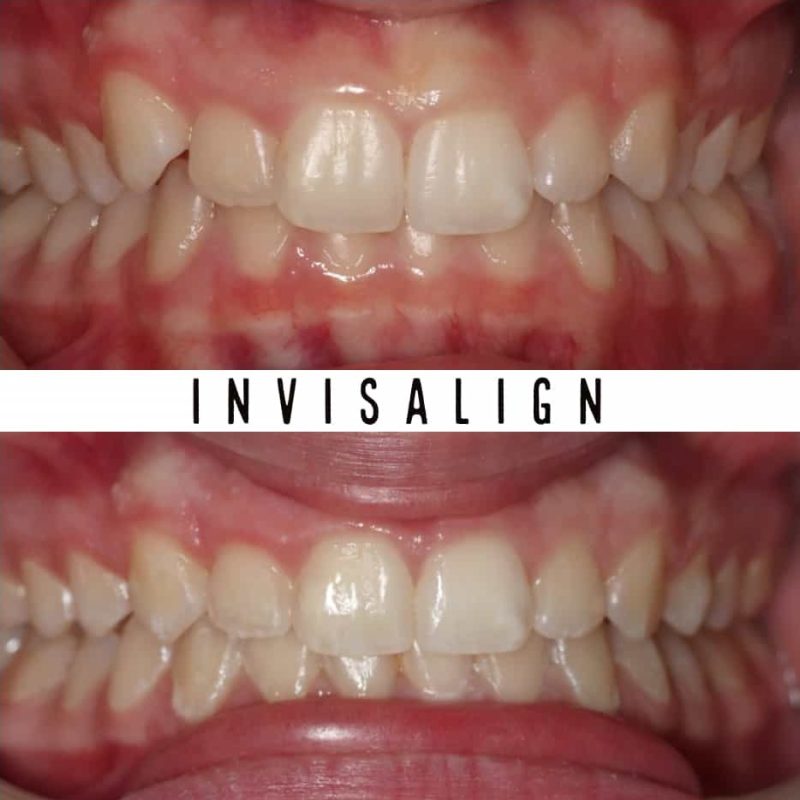
A little smile wisdom for your inbox
Enter your email and we'll send you the latest edition of The Smile Journal — honest dental advice, studio news and gentle reminders to look after your smile.
Ask us anything
Curious about a treatment? Wondering about fees or health fund cover? Send us a note and our front desk team will reply within one business day — no obligation, ever.
Prefer to talk? Call 03 9089 7574 — we're happy to chat.
Visit us on High Street, Preston
Wed–Fri 8:00 AM – 5:30 PM